
x
N
G
A Room on the Brahmaputra
Rhino & River Wildlife Retreat & Spa, Pobitora: a first stay in Assam
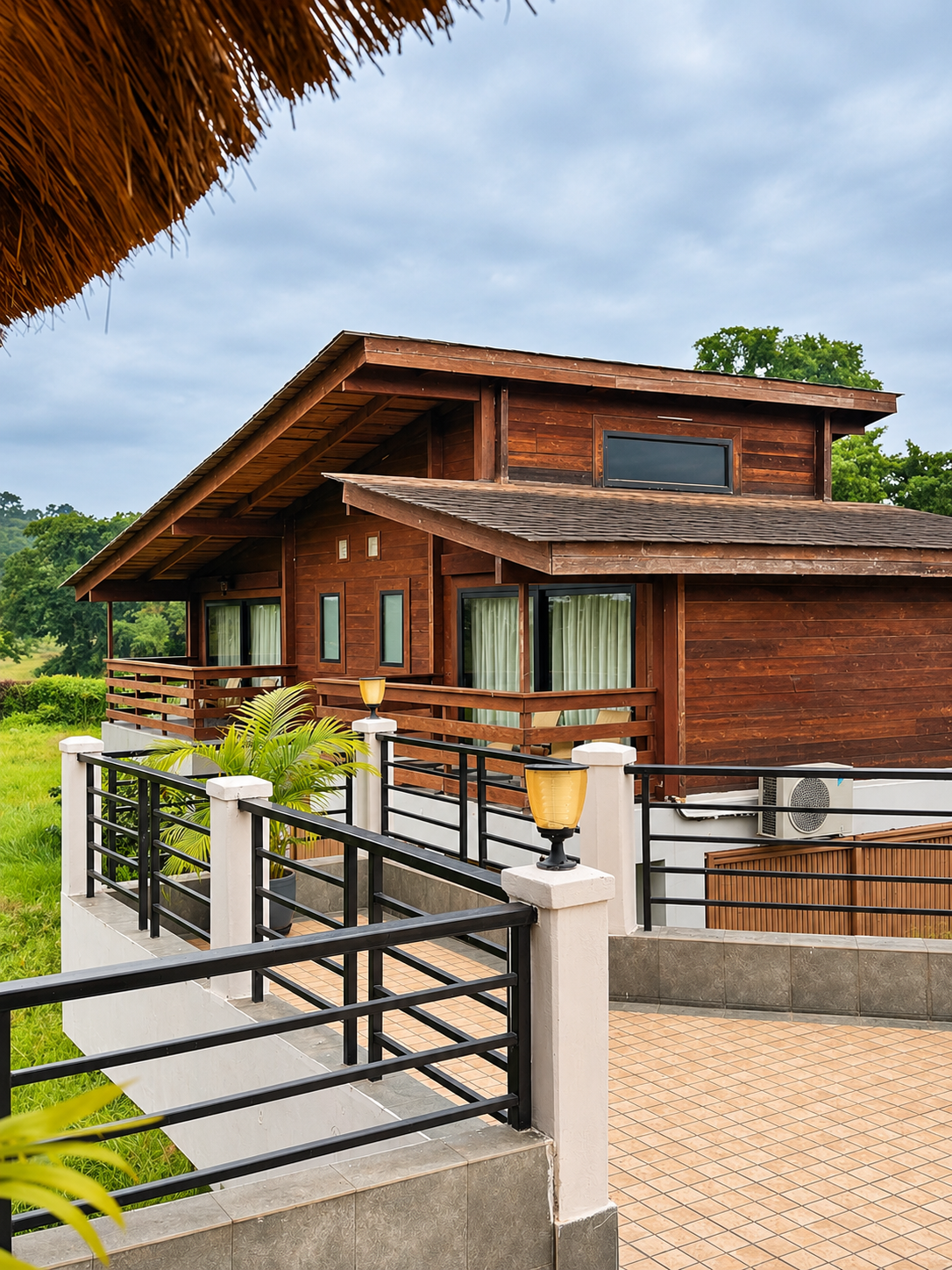
I had come to Assam for the rhinos. I did eventually see them at close quarters, from the back of an elephant, but my first real introduction to the place came at first light, when the Brahmaputra appeared beyond the little patio outside my room. It is one thing to read about a river in history books and quite another to wake up beside it, watching it stretch into the distance, almost endlessly — the horizon facing between foggy nothingness and a bright, calm waterbody.
The drive from Guwahati had taken us into the night, so there was little to see as we made our way towards Mayong, in Morigaon district. Rhino & River Wildlife Retreat & Spa sits between Pobitora Wildlife Sanctuary and the Brahmaputra, with 16 rooms spread across the property. It was only the following morning that I began to understand where we had landed, and how much of the experience would be dependent on the landscape outside the gates.
The river sets the pace
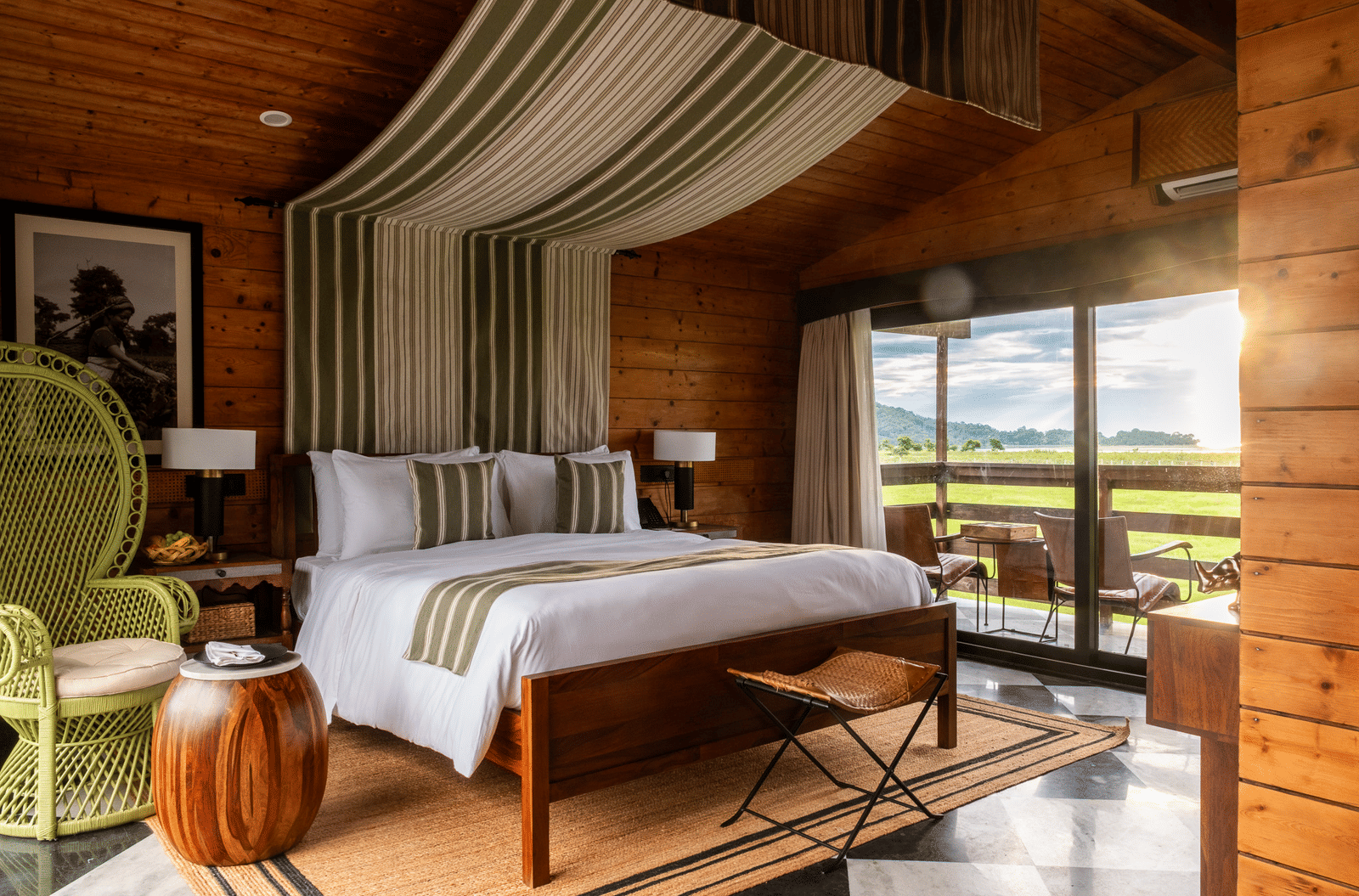
My room was designed in a contemporary safari-inspired style, with a wooden cabin-like feel. There was a canopied bed dressed in green and white stripes, a wicker wingback chair to one side and a little patio that looked out towards the river. Having arrived after dark, I had barely registered what lay beyond it. The moment daylight broke, however, the view opened up. I made myself a cup of coffee, stepped outside and sat for a while, doing very little. The birds had already beaten me to the morning. Their calls came from different directions, one after another, until the entire landscape seemed to be awake. It was not one bird announcing the day but a whole chorus of them.
The retreat’s architecture, conceived by Nagaland-based designer Aku Zeliang, takes cues from Assamese architecture and traditional bamboo craftsmanship. Wood, local materials and handwoven textiles give the rooms a sense of place without making them feel overly rustic. The result is a stay that feels quite modern, but still connected to the landscape it occupies.

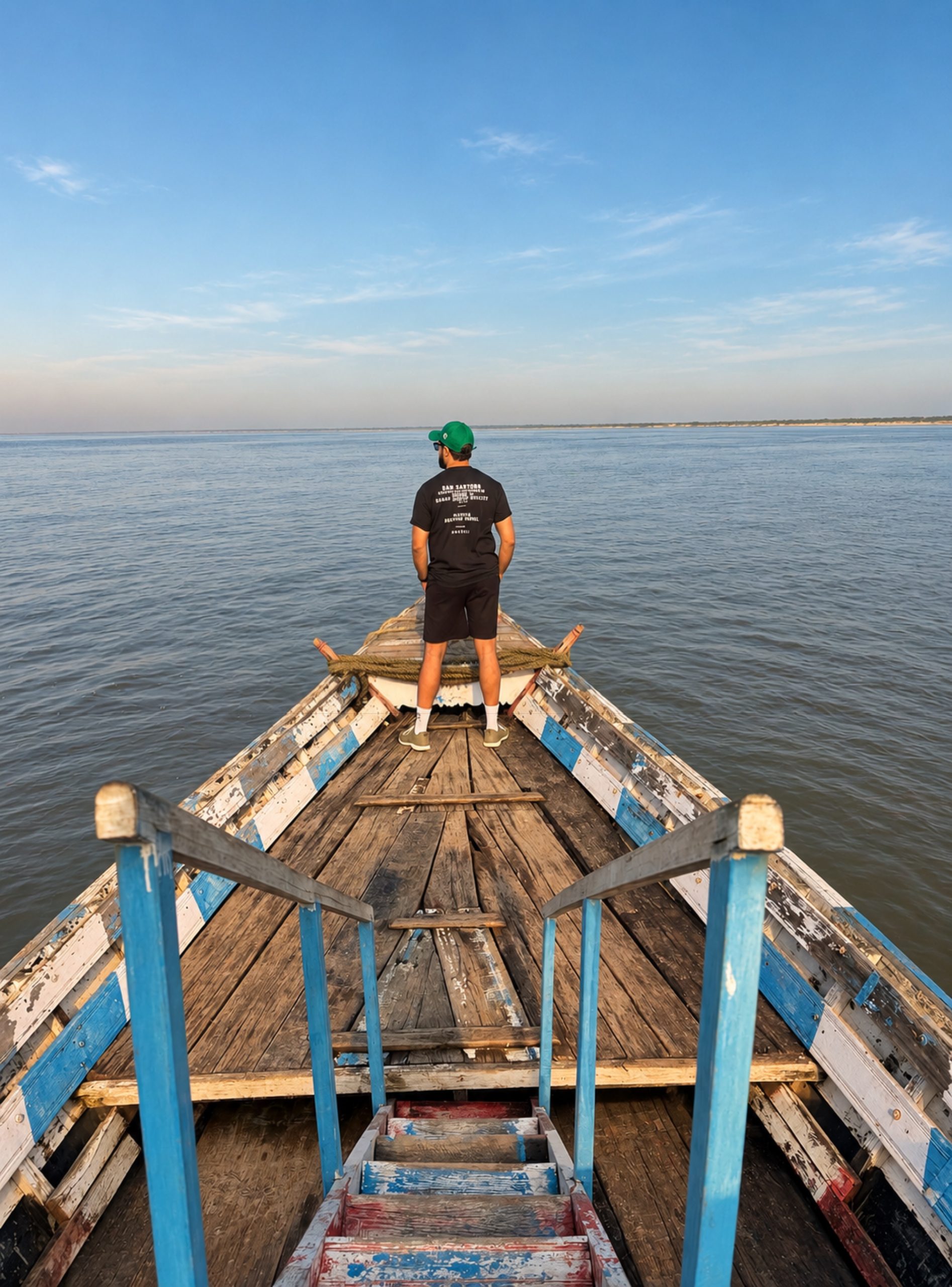
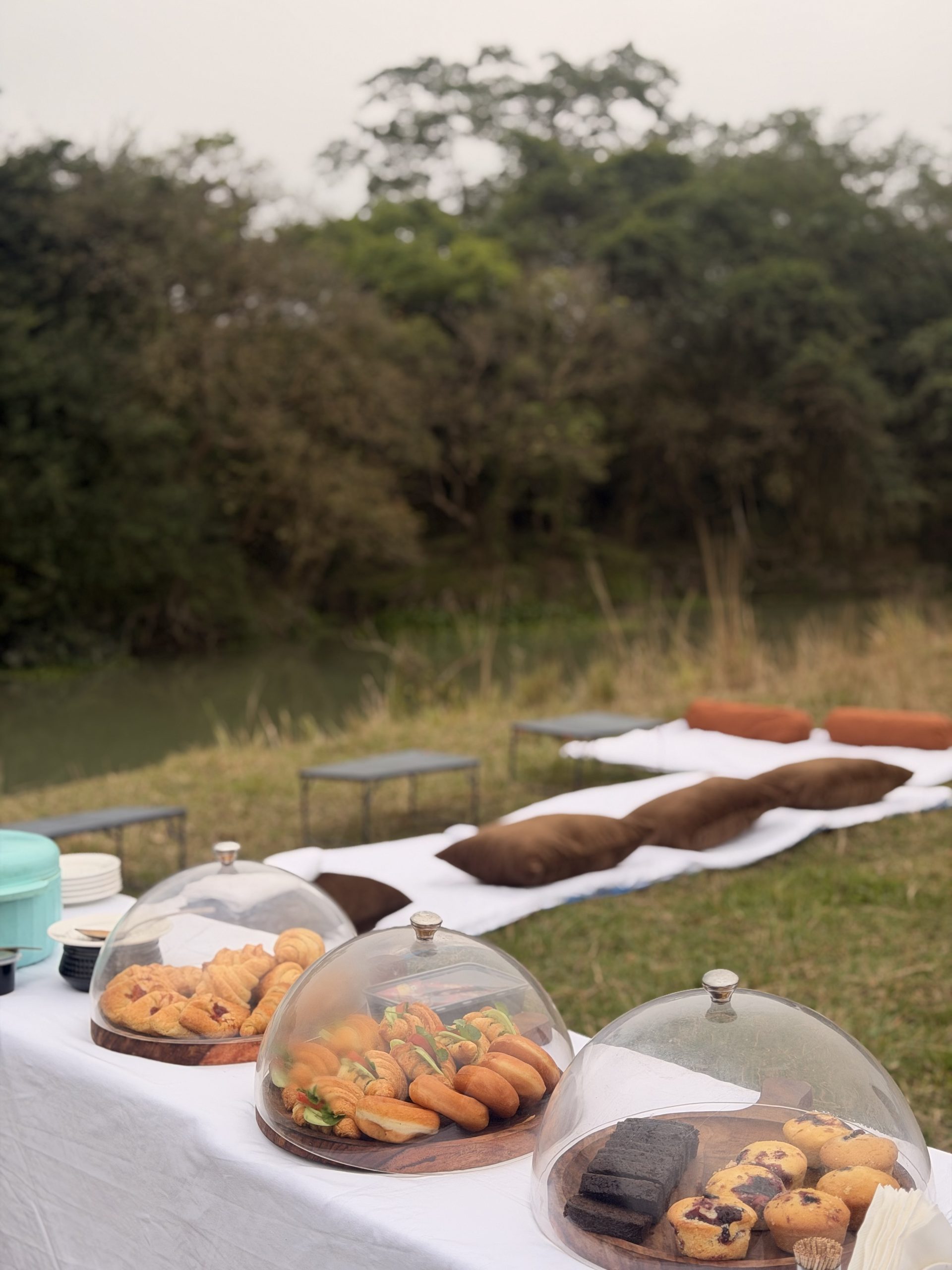
The Brahmaputra, though, is the real showstopper. We took a boat out to one of its sandbanks, where breakfast had been arranged on the river’s edge. These little islands of sand and silt, locally known as chars, are constantly being reshaped by the river. Some emerge as the water recedes; others are gradually eaten away by the current. Families and communities live on these riverine lands, adapting to a geography that is never entirely fixed. What appears from a distance to be an idyllic stretch of sand is also a landscape where flooding and erosion can determine where people live, work and grow their food. Sitting there, watching the river move around us, I was struck by how temporary our own sense of permanence can be.
We spent time fishing, too, and managed to catch a few tiny anchovy-like fish that were later cooked for dinner. It was a lovely way to spend a morning: eating, watching the water and allowing the river to dictate the pace of the day. There was no great itinerary to follow and no particular urgency to be anywhere else.
Rhinos, villages and the people of the region…
Pobitora was, of course, the reason for the trip. I opted for an elephant safari rather than a jeep, hoping for a closer look at the sanctuary’s most famous residents. Our elephant had a personality of his own. There was a young, rather mischievous mahout accompanying us, and the elephant seemed equally independent, keeping his distance from the others and moving about with an air of quiet authority. He wasn’t particularly interested in making friends, which, in its own way, made him quite the character.

The rhinos, meanwhile, were wonderfully unbothered. We watched them ambling through the grass, grazing at their own pace and occasionally turning towards us with an expression that seemed to ask what exactly we were doing there. The greater one-horned rhinoceros is an extraordinary animal. Its thick, folded skin gives it an almost armour-plated appearance, although its horn is actually made of keratin, the same protein found in human hair and fingernails. Pobitora is also a remarkable conservation landscape: the sanctuary covers just under 39 square kilometres, and its 2022 census recorded 107 rhinos, giving it the highest density of the species in the world.

But the days here were not only about wildlife. We ventured out into the surrounding villages and local markets, where a different side of Assam began to reveal itself. There were weavers working at their looms, women involved in making local rice wine, and an ironsmith at his forge, patiently hammering out a knife. People were stopping to buy the finished pieces, and it seemed to me that these were tools made for everyday agricultural life rather than objects produced for visitors.
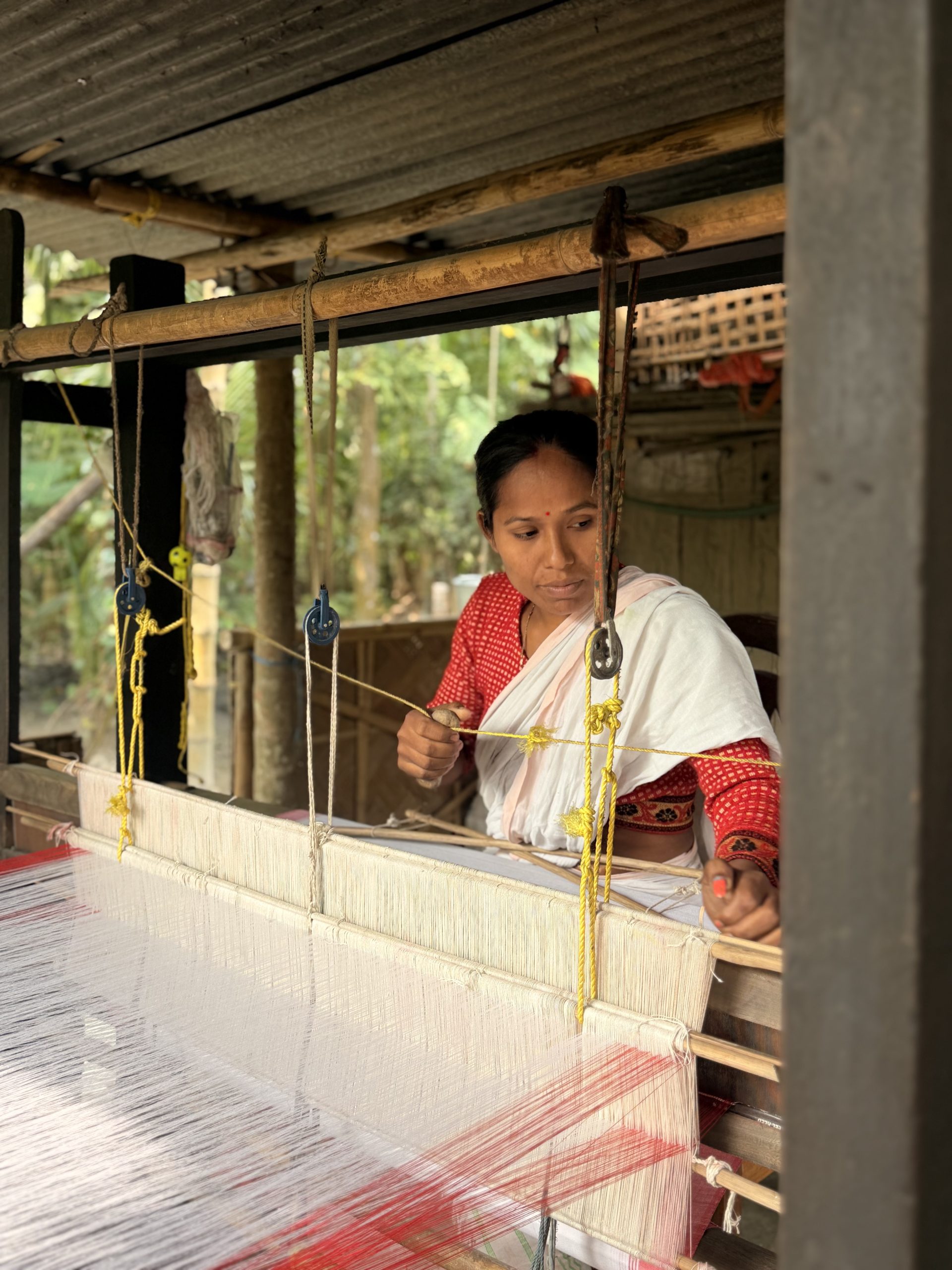
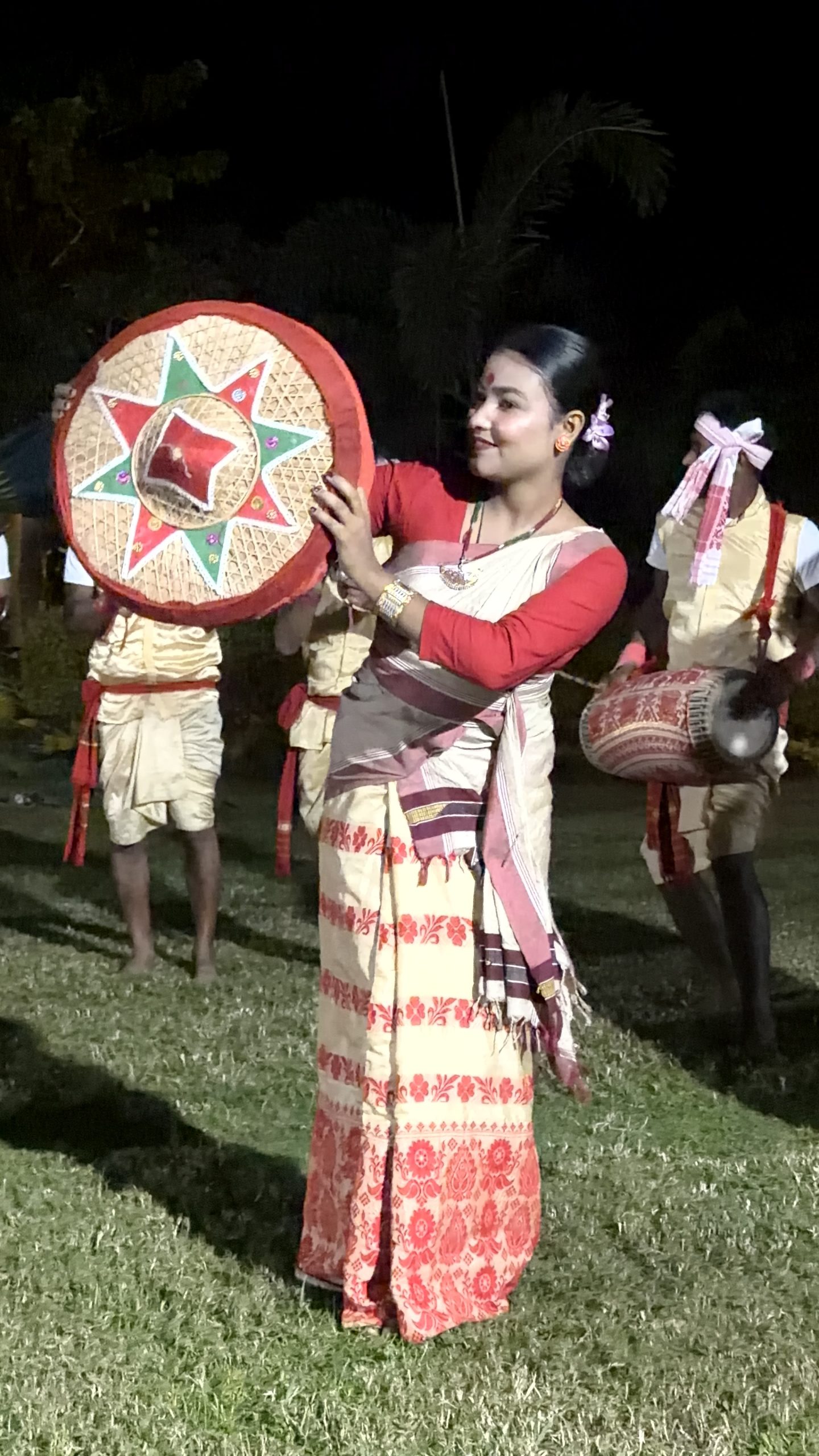
I was particularly drawn to the textiles. The reds, whites and golds appeared in beautiful combinations, with intricate borders and patterns that felt distinctly Assamese. The traditional white gamusa, often woven with red motifs, is one of the state’s most recognisable textiles, while the mekhela-sador has its own distinct patterns and borders. Watching the work at the loom made me appreciate how much of this cultural identity is sustained through everyday handloom practice.
The local rice wine was another discovery I took to immediately. What stayed with me was not just the drink itself, but the women who were involved in making it. As we walked through the villages, I noticed how much of the work of keeping a household and its local economy moving seemed to rest with the women. Many of the men were away tending to the fields, while the women were occupied with weaving, brewing and other forms of work that sustain a home. It is a pattern I have noticed in different parts of India, and it was interesting to see another expression of it here.
The little potatoes I came across at the market were another highlight. These are guti alu, small local potatoes that are used in the Assamese preparation Guti Aloo Bhaja. I liked them enough to pick some up for myself. It is often these seemingly modest ingredients that stay with me long after a trip; they tell you as much about a place as its more celebrated dishes.
The return drive to Guwahati gave us a completely different view of the region. With daylight replacing the darkness of our arrival, the road opened up into stretches of paddy fields, beautiful green landscapes and little settlements that seemed to move at their own unhurried pace. There was a small-town quality to it all: easy, picturesque and refreshingly removed from the frantic rhythm of a city.
An Assam table
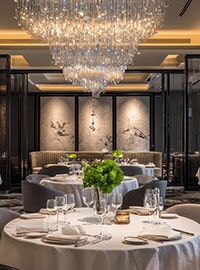
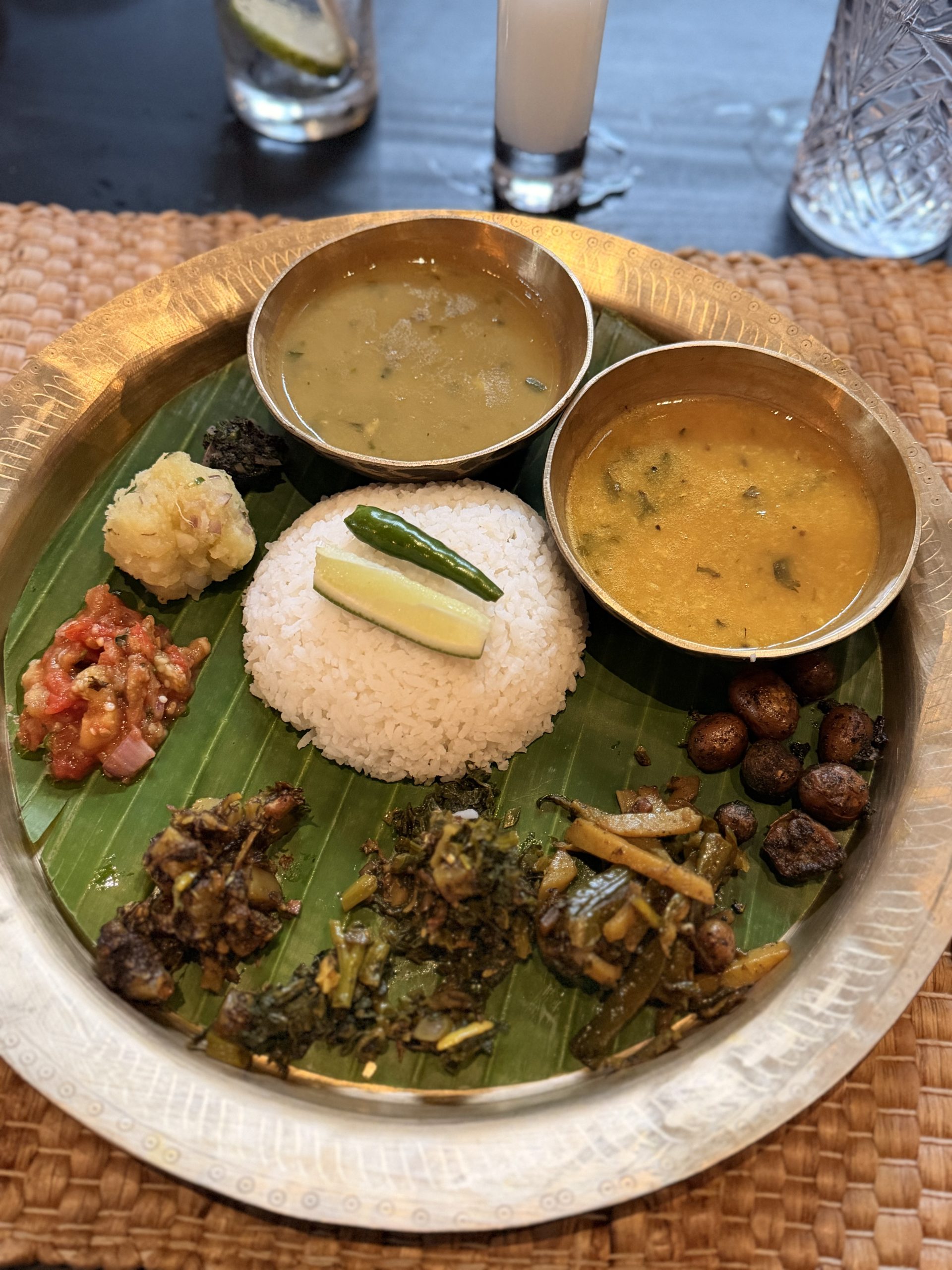
For me, the food was always going to be an important part of this trip. At Baan Kaahi, the restaurant at Rhino & River, the Assamese menu has been curated by Chef Kashmiri Nath, who has spent much of her career championing the cuisine. The format during my stay was centred around set meals and the offering of the day, which worked particularly well for a small lodge. The food was delicious, with the kitchen making an effort to showcase local produce and flavours. They are also happy to customise meals to suit individual preferences, provided you communicate your dietary requirements in advance.
Nath’s cooking brought back memories of a Bombay pop-up I had eaten at earlier. I remember the experience because it was an introduction to a cuisine that deserves far more attention than it often gets, and the meal here brought back that same interest in its ingredients, techniques and quiet complexity. I’ve included that earlier evening in a carousel, which is worth revisiting alongside this piece.
Assamese food is often reduced to a handful of familiar references, but the cooking along the Brahmaputra has its own vocabulary. Rice, river fish, local greens, preserved ingredients and the bright sourness of citrus-based tenga preparations all have a place at the table. I was particularly pleased to see the small fish we had caught during our river outing make their way into the evening meal. It brought the day’s experiences together in a rather lovely way: a fish caught on the river, then cooked and served at the lodge.
The little guti alu remained another favourite. There is a pleasing simplicity to the way these small potatoes are used in local cooking, often cooked with mustard oil, cumin and green chillies. It is the kind of ingredient that doesn’t need much embellishment to make an impression.
The drinks offering was more relaxed than a conventional bar experience during my stay, but there were some interesting mocktails and a generous selection of sodas and other non-alcoholic options. The local rice wine, naturally, was the one I found myself thinking about afterwards. But it’s also BYOB you can enjoy a bottle of wine or your choice of spirit which you can carry along with you for your visit – I did spot some local spirit and wine stores enroute, perhaps a veritable choice to go stock up!
I also made time to explore the Nirban Spa, which draws on wellness traditions from across the Seven Sisters, including Khasi-inspired practices, botanicals and warm oils. Its treatment offering includes Ayurvedic therapies as well as regional massage traditions. The spa was pleasant, if not particularly memorable for me, but the heated swimming pool was a nice addition, especially with the river and surrounding greenery providing the backdrop.
I arrived in Assam with one clear ambition: to see the rhinos. I left with a much longer list of things I wanted to return for. The birdsong in the morning, the changing landscape of the Brahmaputra, the women keeping traditional practices alive, the small details of a village market and, most of all, a cuisine that has so much more to say. Rhino & River makes for a comfortable base from which to experience Pobitora, but it is the landscape and the people beyond the property that give the stay its character.
Rhino & River Wildlife Retreat & Spa, Mayong, Pobitora, Morigaon district, Assam. Managed by BluSalzz Hospitality.
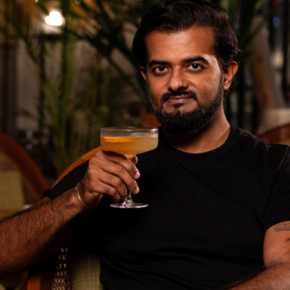
Nikhil Merchant
Hospitality Writer | Culinary & Bar Consultant | Restaurateur | Brand Evangelist