
x
N
G
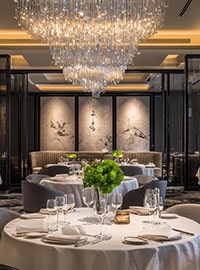
Suryagarh, Jaisalmer
I admit it, I have and will always be fascinated by the Royal State of Rajasthan. Uncovering many experiences in the past stretching from my holy town of Nathadwara (about 50 kms) away from the royal capital city of Udaipur to the other holy spots like Pushkar and Ajmer, Jewel haven Jaipur and now discovering Jaisalmer. Nathadwara, the home of our God “Shrinathji” has been a place of pilgrimage for me and my family. While I am not overly religious I do find visiting my holy temple to be a cathartic experience where solace, quietude, humbleness reign and you come out refreshed and feeling washed off (probable) sins.
There is another reason why Rajasthan attracts me. It has the trappings of Royalty still lurking around corners from the hospitality to the cooking, from the way people behave with other people and the air of subtle impudence (not in a negative way, but this understated ego is necessary in our nonchalant world) which floats above the usual personalities of Indians all over. There is a spot of realness, a hint of piousness and a very relatable vibe which probably comes from the lineage I am born from.
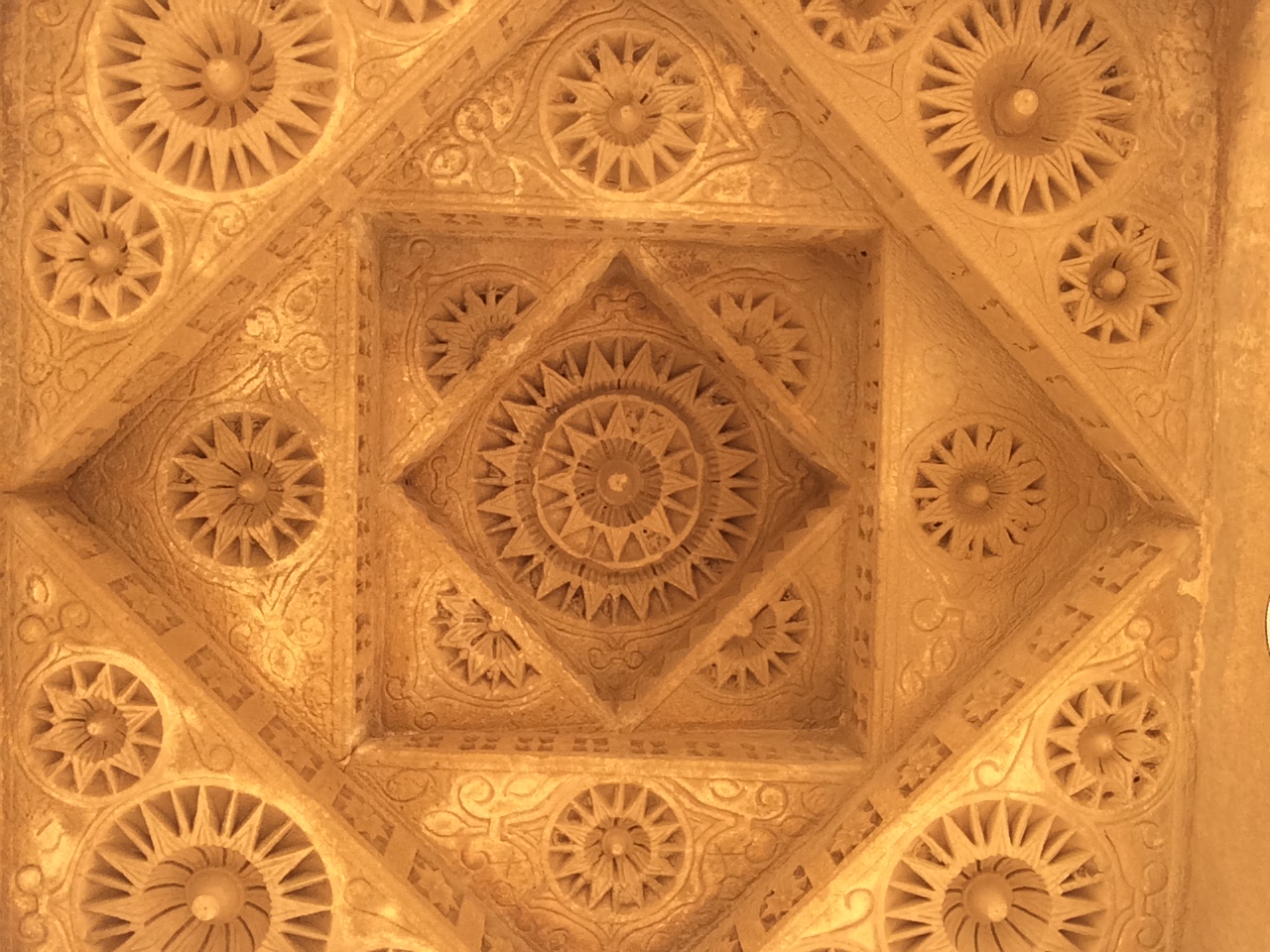
Jaisalmer was a first for me. Being a place which is only approachable by road or rail, and we city folks settling for nothing less than a vacationing spot which has an airport nearby, I never somehow thought about visiting this uncharted territory (in my books atleast) but which has been much heard of. Jaisalmer is a former medieval trading center and a princely state in the heart of the Thar Desert. Known as the “Golden City,” it’s distinguished by its yellow sandstone architecture. Being one the last big towns in Rajasthan, it is closest to the India-Pakistan border making it a susceptible eerie location given our long-standing relations with our neighbors.
Every old city has facts to declare, tales to impress, uniqueness to wonder and spirit to live. Jaisalmer in Rajasthan is one such city, which offers fascinating stories about its courageous rulers and citizens of the bygone era, tales of unequalled valor, unique in its beauty and undaunted spirit.
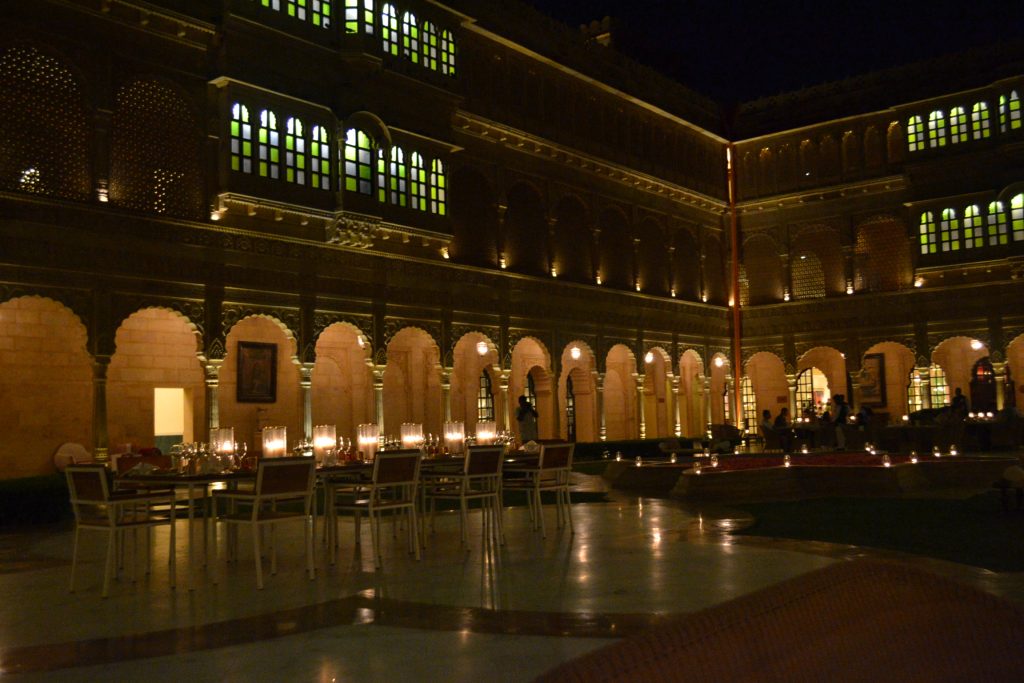
So when I was summoned to visit a luxury boutique hotel, owned by one of the regions most prestigious families, I would dare not refuse (honestly, I would never have had said no too, after all, visiting Rajasthan has always been a point of weakness for me). The property, Suryagarh in Jaisalmer is about 4.5 hours away from Jodhpur airport and I could only imagine what was in store from the moment I was whisked away in their monstrous MUV to the moment I landed up on a road leading up to the hotel. Convoyed by an entourage of the hotels flag bearing men in open jeeps. (Incidentally, the Jaisalmer government has opened their airpace and current ‘military’ operational airport to commercial airlines on 28th October 2017 and this is situated about 8kms away from the hotel)
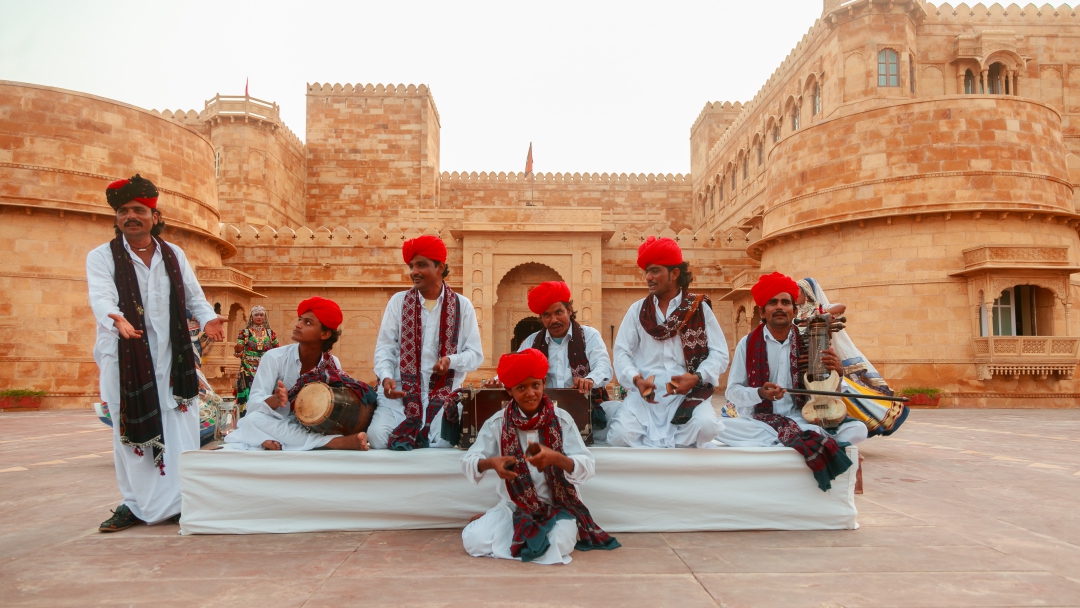
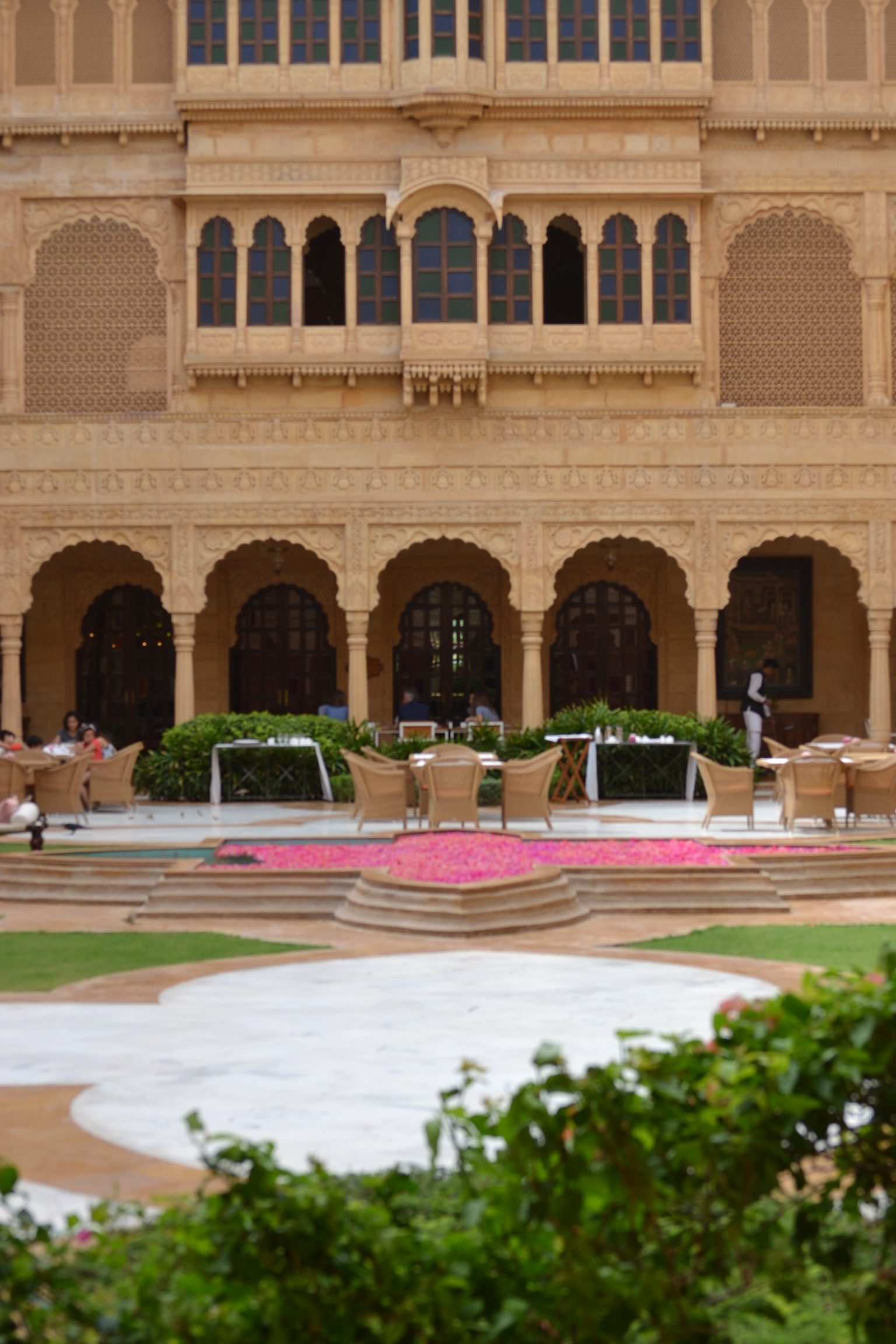
On entering the grounds of this majestic looking Yellowstone palace, I got a whiff of nostalgia and the feeling of deja-vu. The history which embeds the old town of Jaisalmer started rubbing off on me slowly and steadily. It was probably to do with the initial greeting courtesy the sounds of the rains echoed in the ancient ballads that have been sung by the Mangniyars for millennia. A legacy of the hotel, Mehboob Khan and his family of Manganiyars lilted on with a haunting tune as I walked in, rooting me to an enchantment which had the power to unleash an intense wave of energy that created a surrounding cheer.
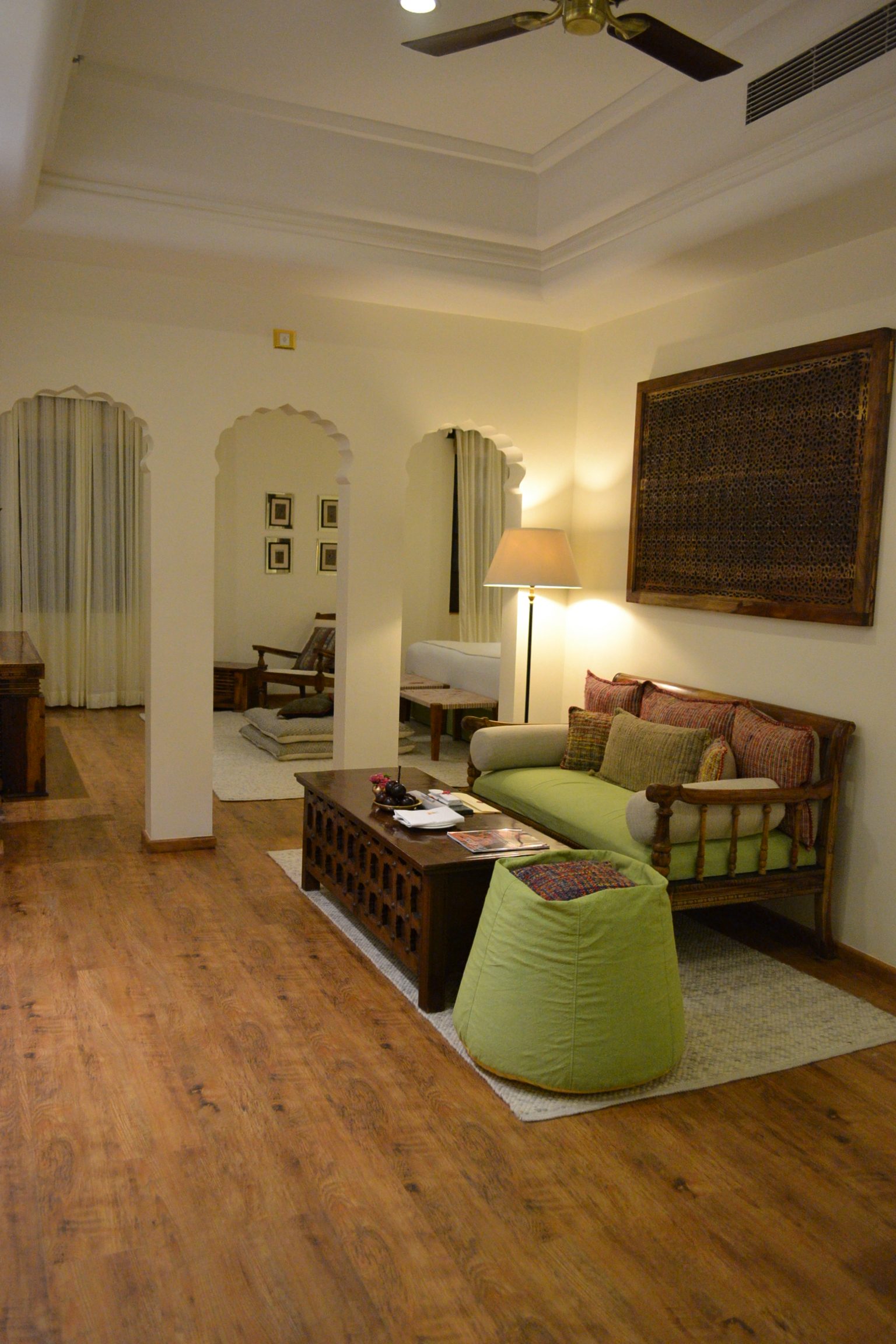
The rooms are well appointed, with a study and a seating area, luxurious beds and spacious lounge areas. Bright pastels and creams with hard natural wood furniture reflect the warmth from the outside walls. The bathroom is expectedly large with an ante chamber for changing and enormous wardrobes, tubs with essences and rubs for your R&R, and modern rain showers along with ‘his’ and ‘hers’ basins. Theres enough seating to plonk yourself like a moody Maharaja who has a sudden desire to sit down at an unexpected space and have a large pillow strategically placed there.
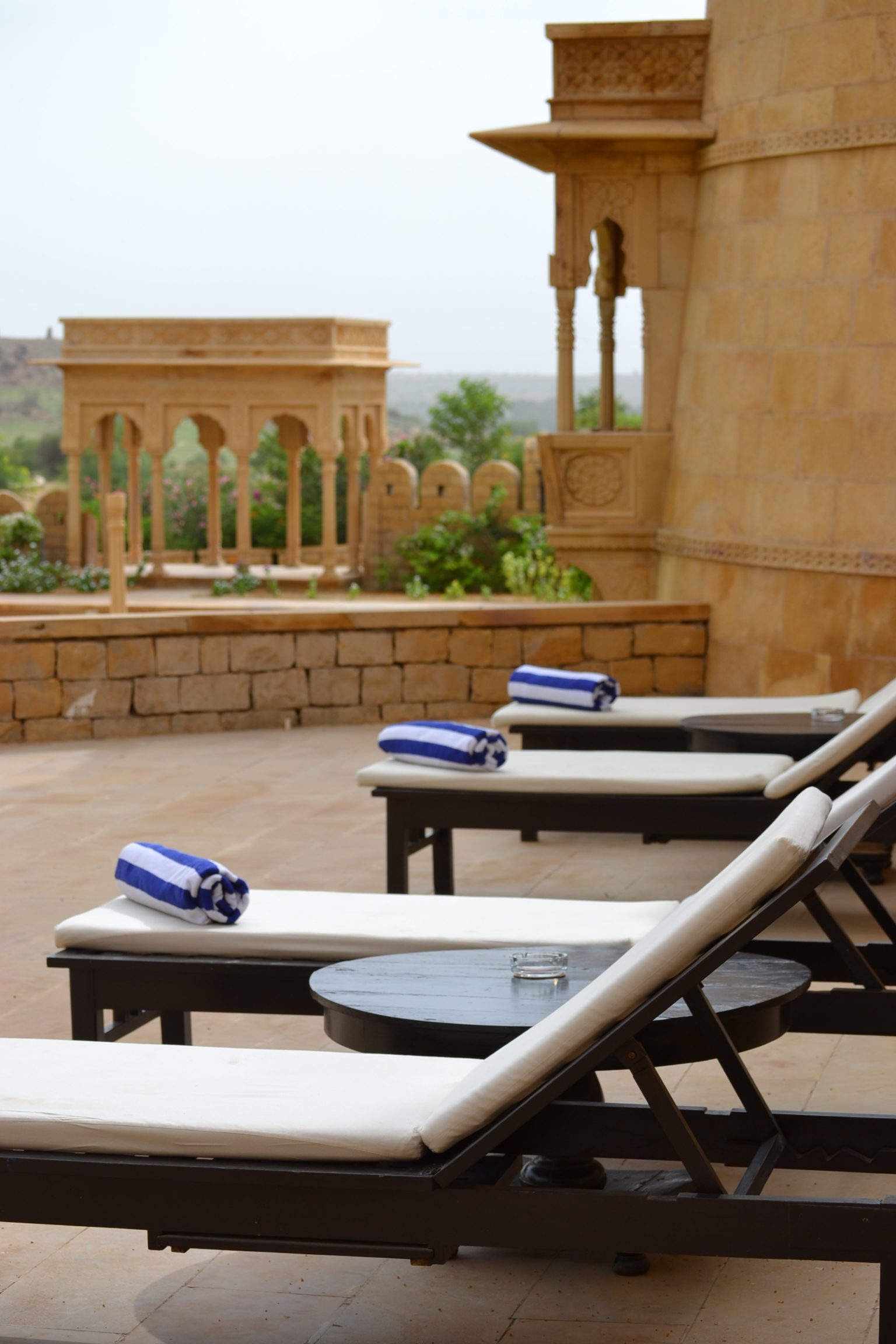
The hotel is designed with the intention of keeping privacy at the forefront. There are rooms which range from the signature suites (the one I stayed in) to the Suryagarh Suite which is a split level room replete with a dining area, four legged tub in the bathroom, large arched windows skirting the area and facing the vast hinterlands, a private terrace with sun beds and a splash pool to cool off on those warm muggy evenings. They are well spaced out and you barely get to bump into the residents as you go about exploring the ‘palace’. While the hotel itself looks like it has been rehashed from an old palatial abode, it is fairly constructed as recent as a few years ago from ground zero (albeit using all the trappings of a traditional home of Royalty from the stone to the construction to the design).
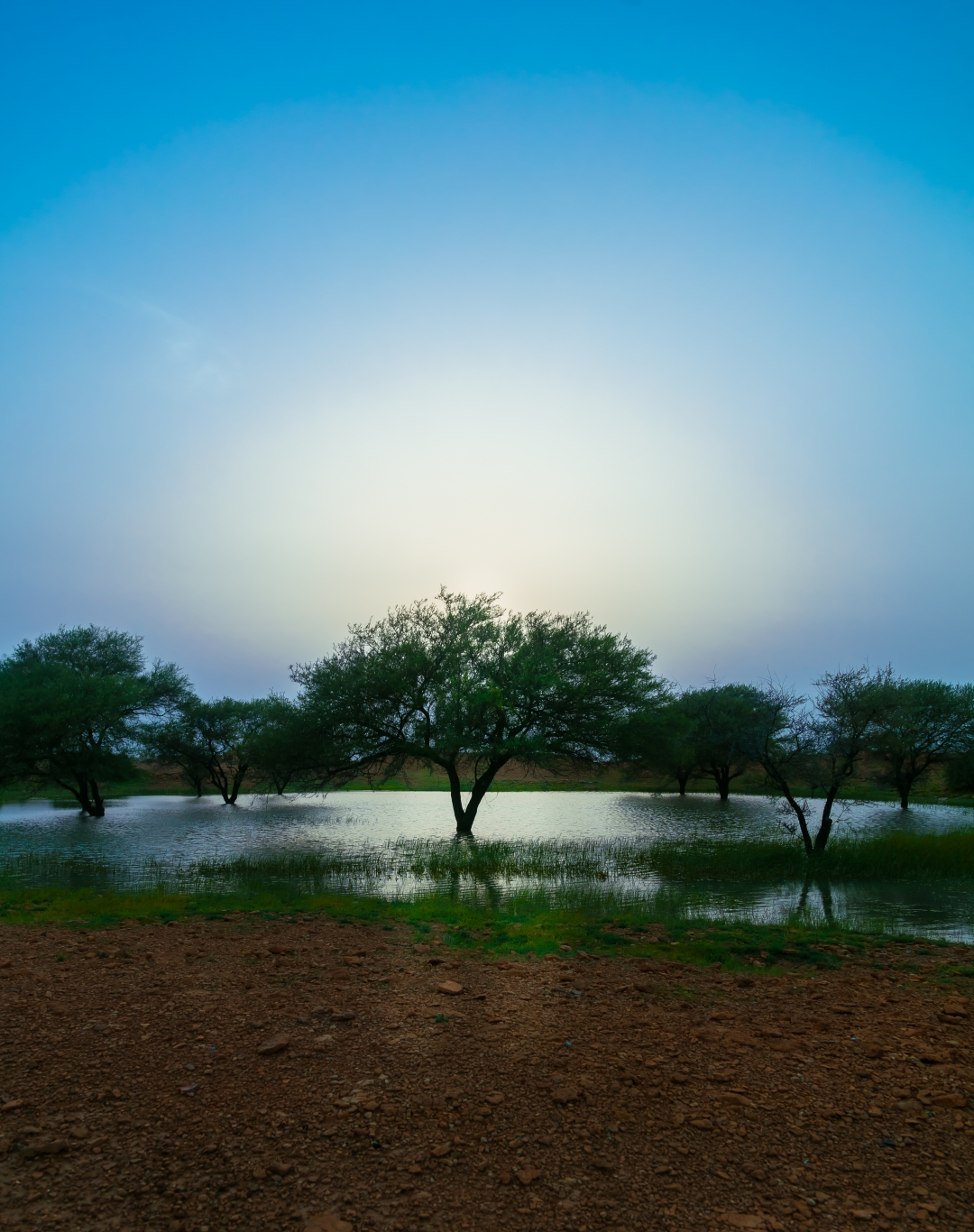
The warmth of the people who take care of the property (and its guests) is palpable and tempers down the scorching heat of an arid no-mans land. You will find them materialize when you need something (as though theres a telepathic connection) and disappear into the shadows when your work is complete. A servitude befitting the upper echelons of society is inevitable but what charms is the way they treat you and in turn reflects from the way they are treated (each and every staff is known by their name from the management and they are treated as members of a family rather than employees). It’s the lost art of Indian hospitality which is recognizable in these places and Suryagarh makes its mark known.
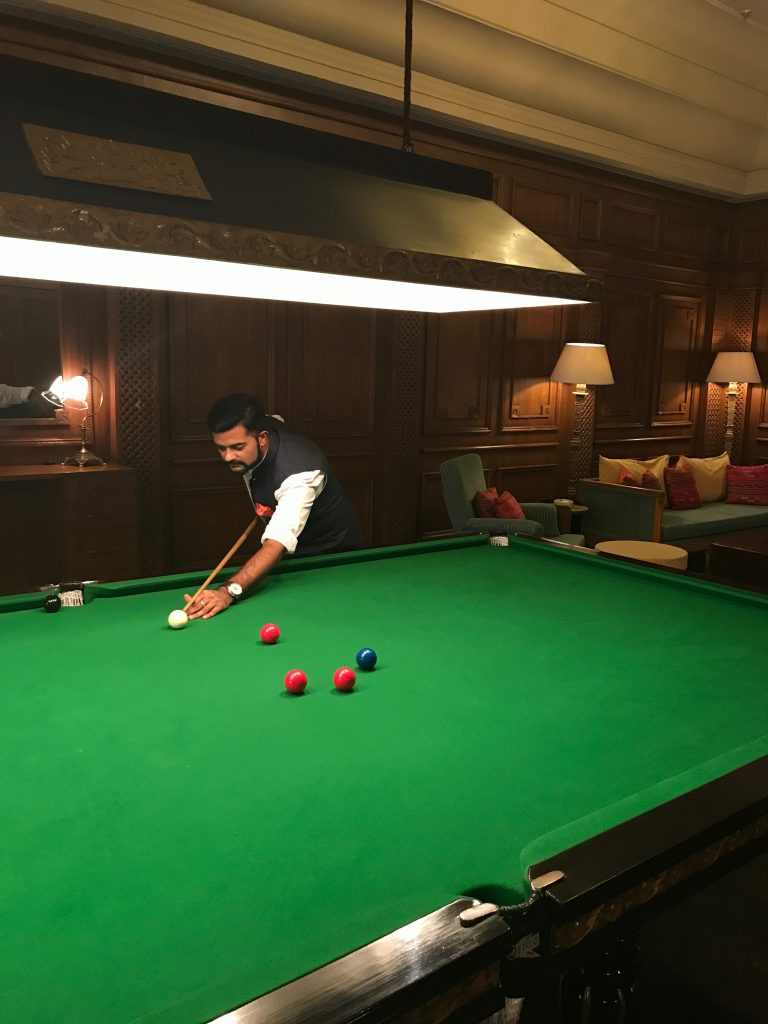
The indoor pool called Neel is well put given that one would like to access a cool body of water without the sun burning their skin off (it can get hot, its the desert after all), amenities include a game room for cards and pool, a quaint Akhara (wrestlers gym) complete with a wrestling pit, in-house bar Draksh with spirits from all over the world and classics ruling the roost, their restaurants from Nosh an airy all-day dining space to Legends of Mewar which celebrates the legends of Marwad which dishes out medieval fare of old forgotten recipes are accessible and well equipped for all your cravings.
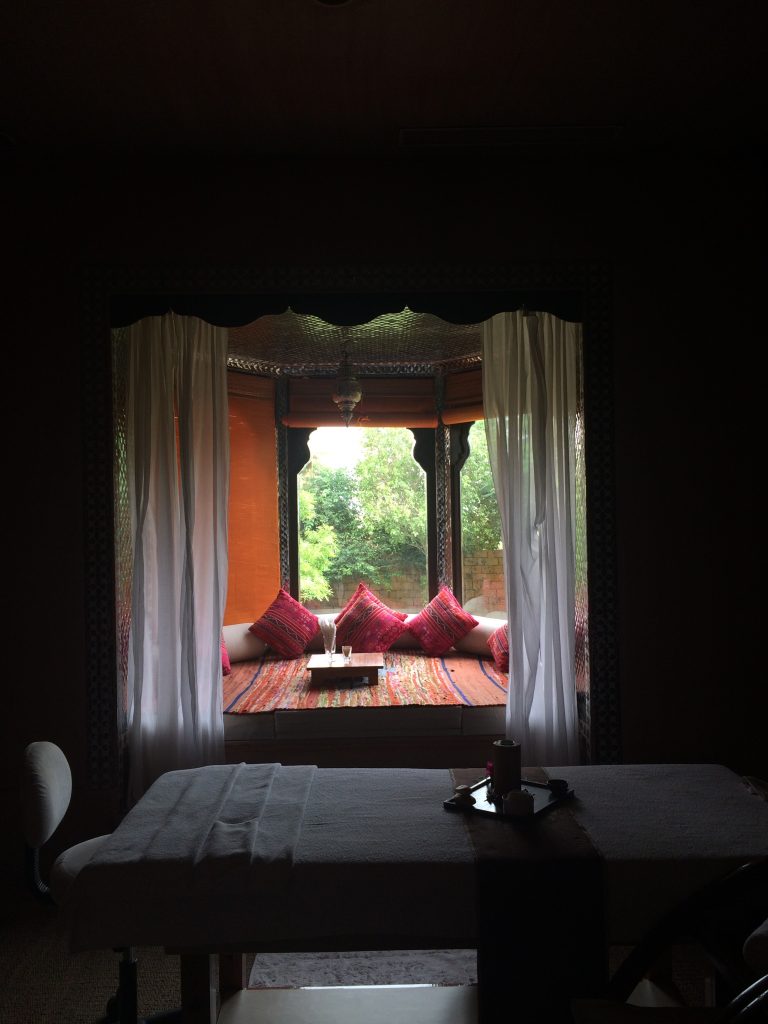
Their über luxuriös spa Rait is a veritable mine of traditional spa rituals in a modern avataar. They have their specially designed sand ritual which lasts for about 2 Hours and includes a spice rub, presses of heated sand bundles followed by a Heena and Vetiver soak. I opted for a fragrant dry coconut, raw sugar and cardamom spa session which was loaded with sensory delights of some of my favorite ingredients and was happy with the hour and a half I could handle (any more and I get ticklish).
What really stands out is their food escapades in and around the property! The Kitchens of Suryagarh, Jaisalmer, are ablaze with menus that are seasonal and traditional. Garden-fresh blossoms of Ker called, Bhatta, Khipoli, shoots of a verdant wild grass Chandria, an elegant baby green Lohiya, an unripe wild desert melon, Gawar Phalli which are runner beans of a distinctive quality, Kacchriare and Khakri, are only a few of the fresh produce off the land that are typical to the season.
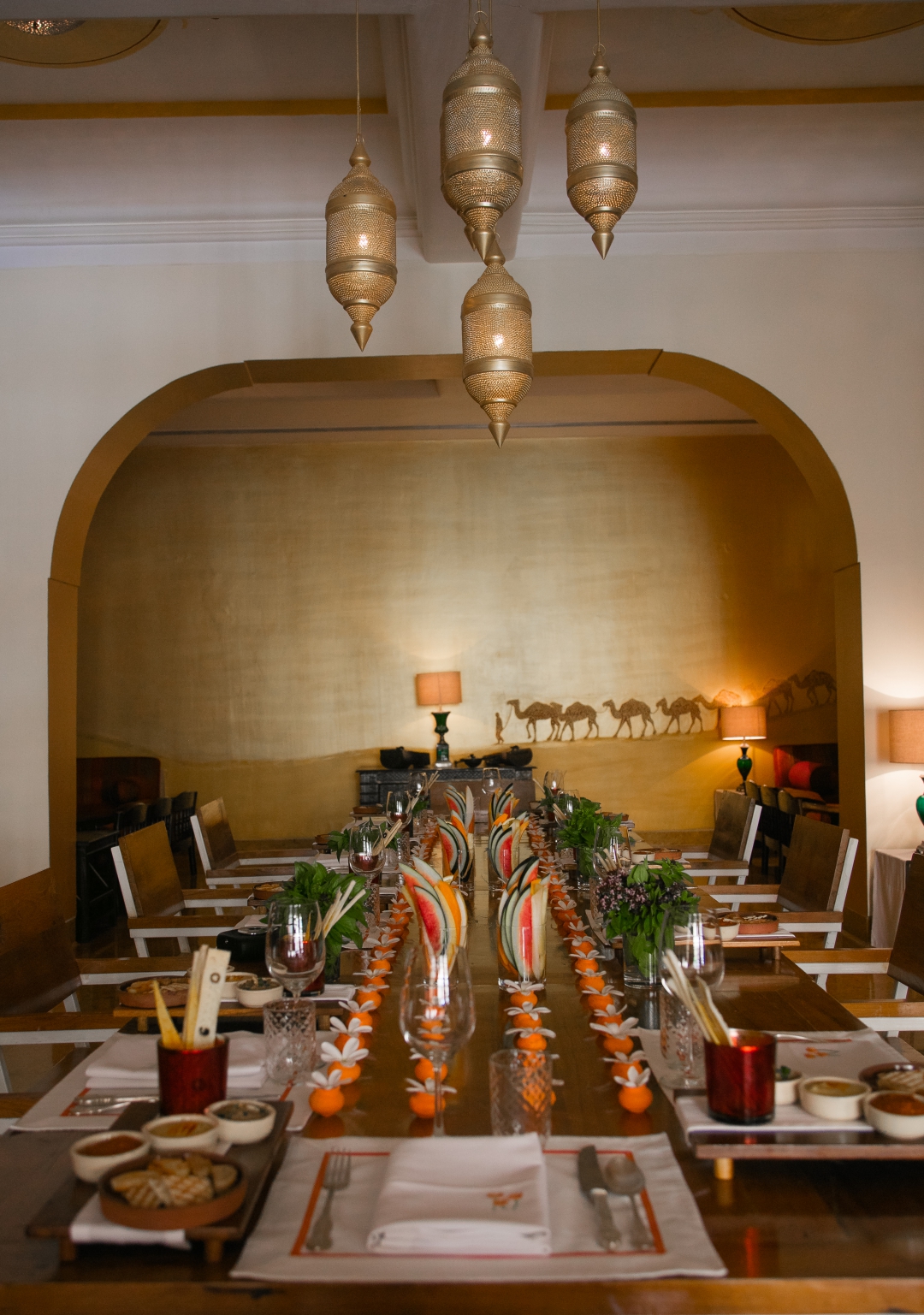
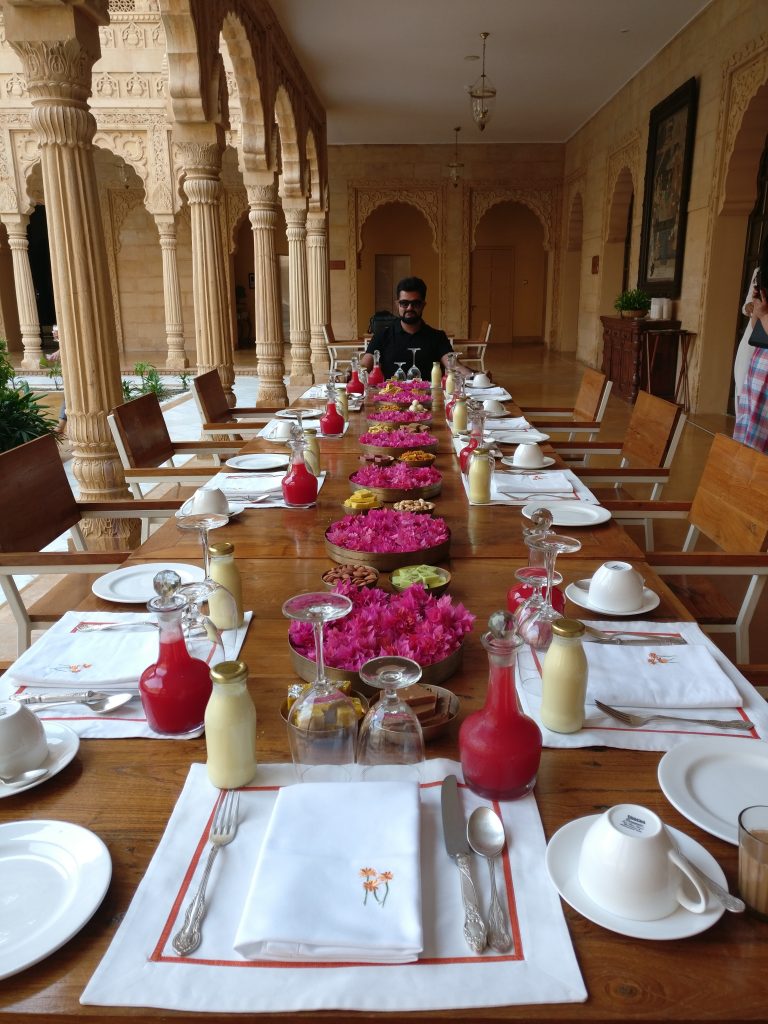
My first dinner was a signature Thali dinner at the Courtyard (an airy, technically sound designed central space which is a few degrees cooler than the outer areas at any given time of the day). The dinner was set on a resplendent table and came in course wise starting with delectable dahi kebabs, pathar ghosht and – with a flourish – a veiled thali of Maas ke Kofte, Khada Lasoon Palak, Dal Batti Churma, Murgh Ka Mokul (chicken morsels in cashewnut, saffron and cardamom gravy) and a variety of breads and rice.
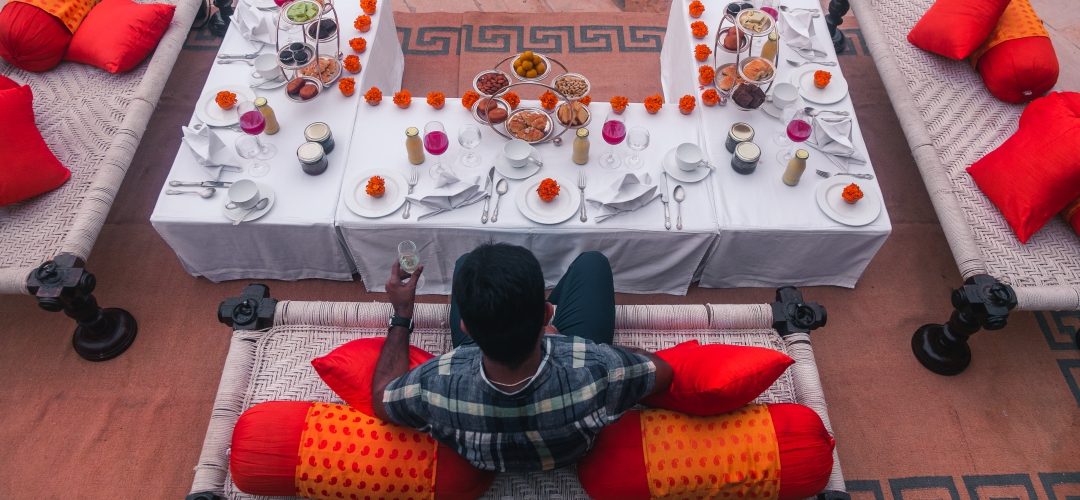
The second dinner, a lot more elaborate was an insight into the traditional flavors of state using ingredients and recipes replicated from the historic landscape of food they boast of, mainly a homage to the culinary traditions of travelers who crossed the Thar to Jaisalmer. Called ‘Thar Dinner’ at the Celebration Gardens, starts off with fine champagne, music and spirits, and continues to a a communal style meal (where you sit around plush mattresses under starlit canopies eating out of the same thali). The meal consisted of delicacies like tulsi murgh tikka to a creamy Sangri Salad (a popular desert bean turned into a creamy slaw), followed by Bolito Khargosh (Hare meat curry cooked over a wood fire), Nagauri Murgh (a seal cooked chicken cooked under sand covered with live coal), Pithod Curry (gram flour dumplings in a yoghurt based curry and a fennel flavored leavened bread called Khamiri Roti.
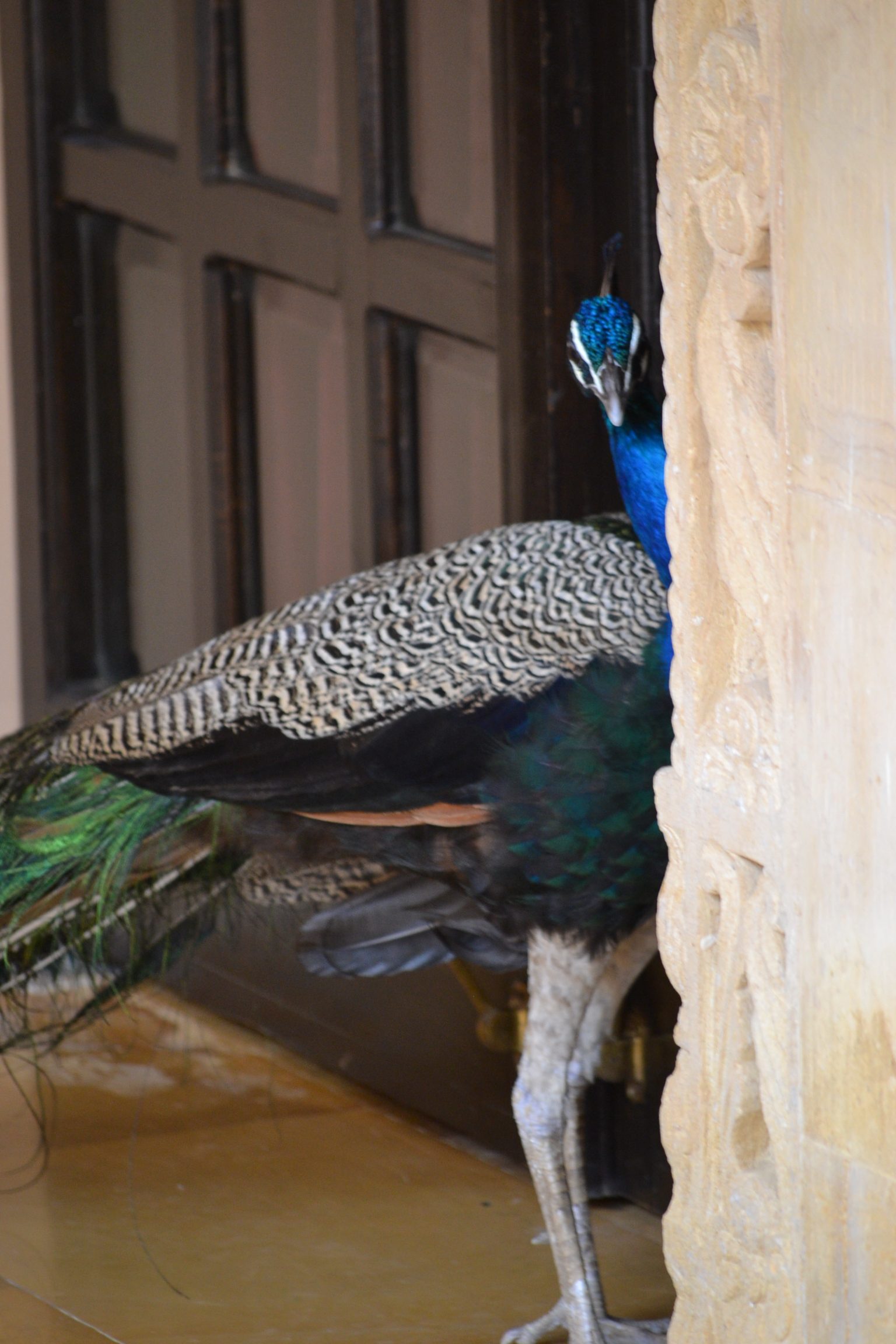
There are the out-of-property meal experiences such as Breakfast with the Peacocks at the nearby Khaba Fort, which starts of with sparkling bellinis / cardamom chai depending on your holiday mood. One drives off deep into the desert at the hour before dawn and in the dark twinkling predawn, partake of a nourishing breakfast of traditional Indian sweets & savories showcasing the culinary art of the (resident) Halwai from Chef Gatta Ram who has been with the team since its beginning (around 7 years), is an indulgent extravaganza. This early hour heralds the arrival of hundreds of peacocks called in to feed, as the sun begins to rise over the Fort. One of the dishes which I personally love and learnt from Chef Megh Singh and Chef Gatta Ram was the Pyaaz ki Kachori, it’s easy, relatable and can be made in your very own kitchen. It replicates memories whenever I have made it and I am happy to share it with you, my dear readers.
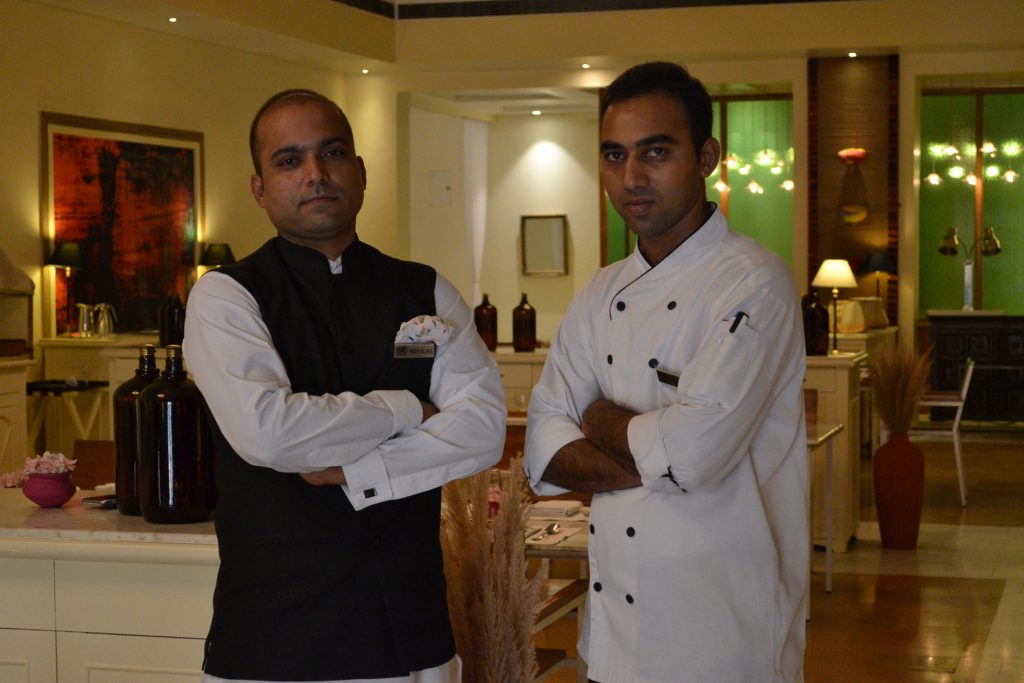
hef Megh Singh was born in Village Khimsar Dist. Nagaur, Rajasthan . A qualified culinary professional specializing in traditional Indian curries and distinctive Rajasthani home style preparations. He also masters the art of balancing whole Indian spices & Garam Masala (which is quite a task). Spending time with him and learning the untold recipes which lurk around the vast culinary landscape of Rajasthan makes it ever so enlightening for me in each and every visit I have done till date. He has been with the property for 6 years now and has plans to introduce a lot more than what I experienced in those few days I spent with them.
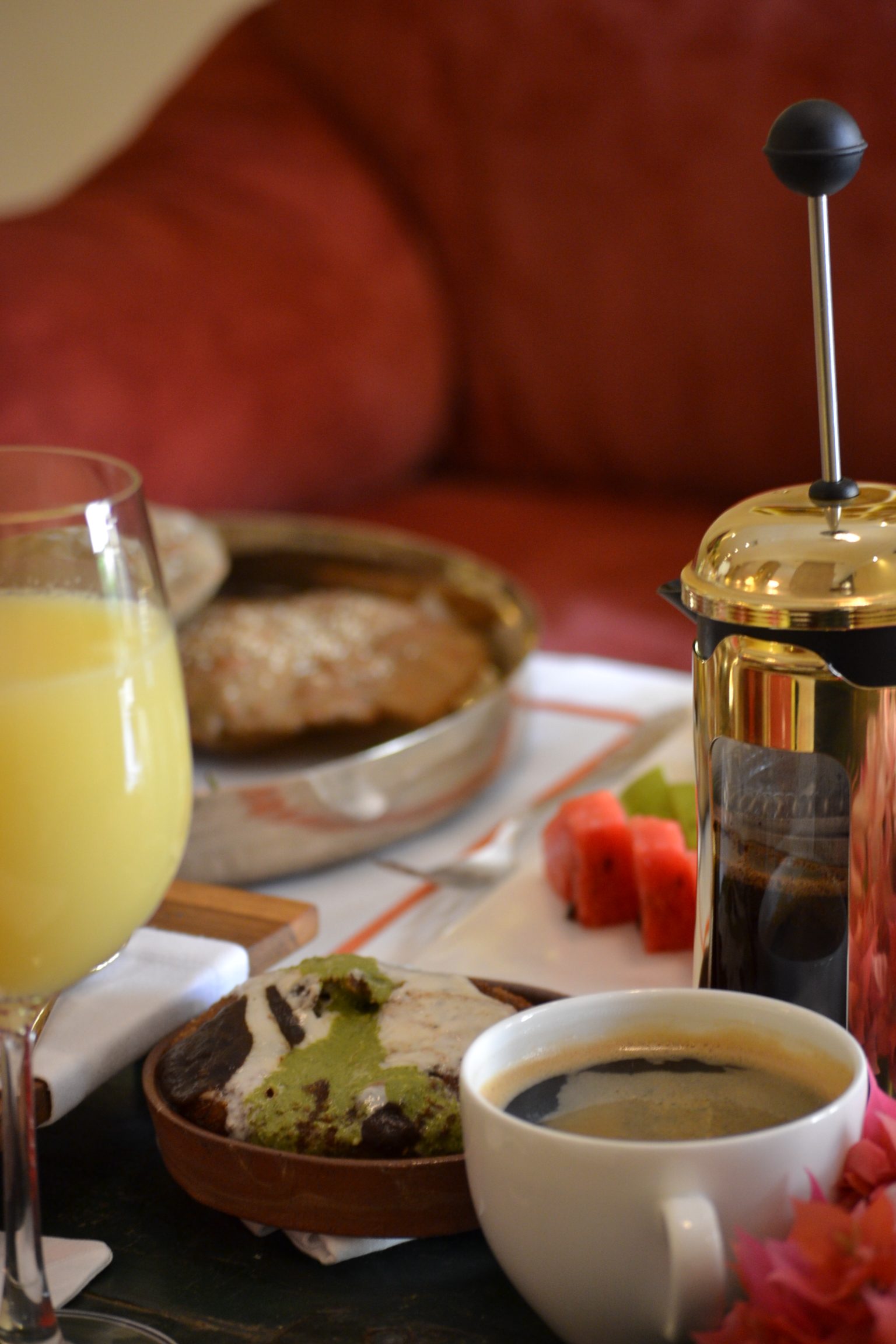
Pyaaz Ki Kachori
For the Dough
- 1 Kg. Maida (Plain Flour)
- 10 gms Salt
- 2 tsp Ajwain (Carom Seeds)
- 500 gms Water
- 150 gms Vegetable Oil
For the stuffing
- 750 gms Potato (Boiled and Peeled)
- 250 gms Onions (Finely Chopped)
- 1 tsp Red Chili Powder
- 2 tsp Crushed Corriander Seeds
- 1.5 tsp Cumin Seeds
- 1 tsp Garam Masala
- 1/2 tsp Turmeric Powder
- 100 gms Oil
- 2 tsp Amchur Powder
- 4 Green Chillies (Finely Chopped)
- 1/2 tsp Hing
- 2 tabsp Coriander Leaves (Finely Chopped)
- Salt to taste
For serving
- 1 tabsp Green Chutney
- 1 tabsp Sweet Tamarind Chutney
- 2 tabsp Whipped Yoghurt (Optional)
Method
For the dough
1.Mix flour salt, Oil in bowl, add water as needed and make soft and pliable dough. Cover and rest the dough for 30 minutes.
For the Filling
1.Take a pan heat oil add coriander seeds, cumin seeds.
2.Add chopped onion and Saute for a few minutes followed by add Red Chilli powder, garam masala, turmeric powder, salt to taste.
3.Add the mashed potatoes, Amchur powder, coriander leaves and mix them all together. Cool the mixture well.
How to proceed
1.Divide the dough and the filling into equal parts.
2.Place the filling in the middle and pull the edges together in the center. Press the filled kachori dough lighty and roll it.
3.Heat oil in frying pan till smoking hot, turn the heat down to low
4.Fry the kachori 4 or 5 at a time, fry them in low flame till golden brown for both side.
5.It will puff up, remove, drain and serve with the chutneys and yoghurt after punching a small hole on the top.
I mentioned this sometime in another blog too that the fact that regional Indian cuisine is left to not only the experts but is slowly becoming a part of a meal experience in Indian luxury hotels, is a big step towards the future of how our dining is perceived. You would be surprised as to the amount of tourist (and I include even Indian ones) who have yet to make their way around the vast cuisines of India. If this continues, we won’t have to travel much farther to taste what India has to offer from its lost kitchens.
This trip was sponsored by the MRS Group the owners of the property Suryagarh along with two other boutique hotels in the State called Narendra Bhawan and Laxmi Niwas Palace. The stay was a first for me. I have the privileges of being their guest but just like most luxury properties this hotel meets international standards of service and personal attendance. I have used my discretion and observations to the best of my knowledge and remained unbiased. Hotels are fairly wide open to personalizing your experience should you choose to stay with them. If you are reading this blog at a later date and I would presume the people I spoke about are around, please don’t hesitate to reiterate my good words and I am sure you will have some of you own.
The header image, the featured image in the main heading and images marked #RidgeRocks are taken by the super talented photographer who was a guest at the hotel and shoots anything which catches his fancy and has a keen eye for beauty. You can follow his work on Instagram: @ridgefernandes
The rest are from my personal collection
Nikhil Merchant
Hospitality Writer | Culinary & Bar Consultant | Restaurateur | Brand Evangelist