
x
N
G

The Baker and our daily bread
I am gazing out into the azure sky, perched on the ledge of my balcony at home, watching the fierce rain valiantly trying to batter down the sturdy coconut palms, which are merrily swaying as though it was a surprise shower for them. The three coconut palms which are now gigantic trees make me smile as they are the off shoots from a couple of the two hundred coconut trees back in my motherland.
The scene reminds me of all the summer and monsoons I spent by the coast in our ancestral home in Goa. Those times were no different than the moment I am experiencing right now. They were devoid of any inhibitions, worldly indulgences and routine hassles. Those were the times I was on the very brink of adulthood and being the eldest amongst my siblings and cousins was designated to be their official guardian, inadvertently turning out to be a lot of fun, pushing them around yet having the time of my life.
Goa, is a place where worldly possessions are naught and people live on means which are just about adequate. We were brought up in the luxury of nature, fed on the freshest fruits and home grown vegetables (no sign of packaged food here, it was unheard off) and the onus being on good living, healthy habits and unconditional family ties. Our entertainment was more outdoorsy, such as biking (my Grandfather had a bike shop), hiking, swimming in the river flowing by our home and a trip to the beach every single evening regardless of rain or sunshine. This custom was repeated from summer right through monsoon and somehow we never tired of this routine.
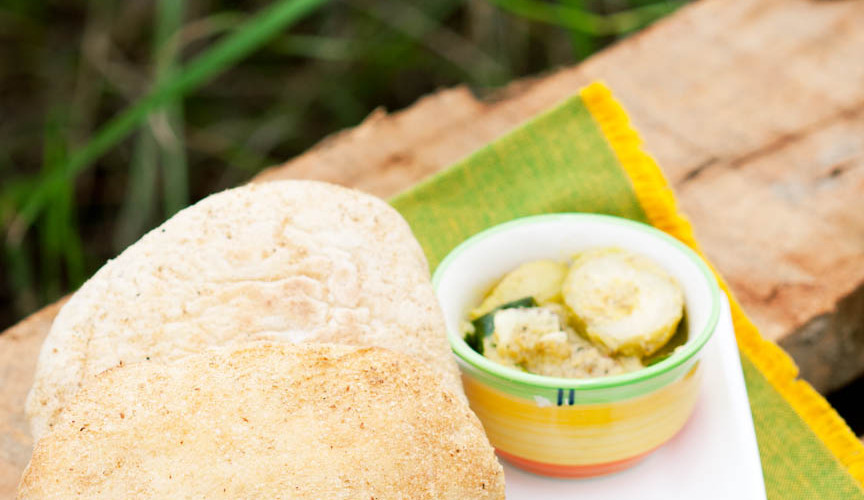
On the return home from the beach in the evenings we had a tradition which was always looked forward for. Hungry as kids and adults alike always are after play, a trip to the local bakery was a fixed affair. A pack of frozen butter cubes was always stashed in the car which would come in handy when fresh poi – a local bread was picked up from this bakery. The timing was such, that when we reached, the bread would be handed over straight from the oven, puffed up and hot as hell. The baker knew very well it would be pointless bagging it after one look of hunger in our eyes. The poi (resembling a pita bread, round, soft and hollow) would be walloped in a few hungry tearing bites. The ideal way in which it is had (and I still do it this way till date), would be to poke a small hole with two fingers at the edge of the poi, quickly followed by inserting a cube of (the now) softened butter and the incision would be sealed again with nimble hands. The experience following the first bite would be mind numbing. The goodness of chewy slightly husked bread, with a burst of melted butter flowing over tongues, instantaneously harboring hunger till we reached home was something to savor on for years to come.
The bakery, just off the road from Miramar beach in the City of Panjim is a small roadside Portuguese cottage. The ground floor area is converted into a full fledged, old style bakery. The name of the bakery is Padaria Vincent Pereira (Bakery), run by a cheerful, Goan gentleman – Mr. Tony Pereira. The bakery produces many a local variety of bread apart from poi, such as pau (like our Indian pau but softer and flavored with local spirit), unda (a thickset pau) and kankdas (Bangle shaped hardened bagels, which are usually served with soup or chai as dunkers).
I visited this bakery for Nonchalant on the Coast and Mr. Tony was more than happy to show me around. He was kind enough to pack me off with an armful of poi and unda everyday for my evening meals from the first day I was in Goa this time. I had the liberty to go click happy and take in the whole process, while he explained each and every step right from the dough making to the baking. Sadly, a piece of information which he tearfully parted with was that his bakery would be closed down by early next year (for personal reasons). This was quite unexpected, considering I have spent quarter of my life feeding on this bread and of all the days gone by, the day I decide to stop by and document the bakery, I should hear such heart breaking news.
He cheerfully informed me not to lose hope as there are still a few good old-timer bakers around the city who still produce poi and provide the daily bread, though very surreally putting in a fact that Goa would definitely not get such hot bread elsewhere. Still disheartened, clutch my serving of daily bread and savored a unda with Mr. Tony right then and there as an ode to him and probably the last serving from Padaria Vincent Pereira (unless I go back again this year).
My folks and family in Goa have to ensure one meal of poi served with a local coastal curry whenever we visit. This curry is simple coconut based gravy which can be perked up with meat and vegetables alike. I like the local version using the local fruit – ‘Ambarella’ which I have mentioned in my Nonchalant by the Coast Salad recipe (Sunrise to Sunset & Beyond). This is an easy to cook up curry as the ingredients are widely available. You can try this out in your own kitchen and serve it up with local bread or pau. The next time you in Goa don’t forget to source out poi and savor it with this coastal curry recipe (commonly called Urdamethi).
Ambarella in Homemade Coastal Curry with Poi
Ingredients:
- 8 nos Small Ambarellas (washed but left unpeeled)
- 4 Curry Leaves (Kadi Patta)
- 1 tsp Mustard Seeds
- ½ tsp Fenugreek Seeds (Methi)
- 1 tsp White Lentils (Urad Dal)
- ½ tsp Asafetida Powder (Hing)
- 1 tablsp Vegetable Oil
For the Coastal Curry Masala
- 1 cup Desiccated Coconut
- 1 tablsp Whole Coriander Seeds (Dhania) – roasted
- 8-10 Peppercorns
- 3 Green Chilies
- ½ cup Water
- Salt to taste
In a blender, place all the ingredients of the coastal curry masala and blend on high till you get a smooth paste. Check for seasoning.
In a large vessel, heat 1 tablsp of vegetable oil and temper with mustard seeds, fenugreek, white lentils, asafetida powder and curry leaves. Add the coastal curry paste, turn the heat to low and simmer for a minute. Once the curry starts to simmer, add the whole Ambarellas and a little water about ½ cup more (if the curry has thickened). Cover and cook for approximately ten minutes or till the ambarella skin turns yellow.
Serve hot garnished with fresh coriander leaves and warm poi
Variation:
On non-availability of Ambarellas in your vicinity you can substitute for raw mango. Small raw mangoes, peeled, can be used instead.
You can also alternately add seasonal vegetables (par boiled) to the curry or baby prawns. Since you need the coastal curry to be slightly sour (ambarellas are sour and since you are substituting them, you will need a souring agent), add half a cup of tamarind paste (soak a handful of tamarind in ¼ cup water for 15 minutes, strain through a muslin cloth or a strainer) while blending the curry paste.

Ng Editor
Hospitality Writer | Culinary & Bar Consultant | Restaurateur | Brand Evangelist